I've seen this play out countless times: thought they could save money but ended up paying more.. Choosing your next whiskey can feel like navigating a dense maze of bottles, labels, jargon, and personal biases. If you're anything like me—someone who's hosted more casual bottle shares than formal tastings—you website know the struggle: is older really better? Does higher proof mean better whiskey? And what about all those flavor descriptors—how do they actually influence your choice?
Entering this fragrant labyrinth, Whisky Advocate, a leading authority in the whiskey world, shines a helpful light on what truly matters when picking whiskey. They emphasize three core themes: subjective taste and personal preference, flavor profile mapping, and the technical factors such as proof and mash bill.
Below, I'll break down Whisky Advocate’s insights with some added notes from my own tiny notebook of tasting notes, so you can pull the right bottle off the shelf next time—neat, on the rocks, or in a cocktail.
Subjective Taste & Personal Preference: Your Whiskey Compass
Whisky Advocate stresses that no score or review can replace your own palate’s judgment. One person’s honeyed vanilla dream is often another’s sour oak nightmare. ...where was I going with this?
- Why taste is subjective: Our individual experiences, memories, and even mood can shift how we perceive whiskey’s flavors and aromas. Environment matters: Tasting whiskey in a noisy bar or at a sunny picnic will yield different impressions. Always ask yourself: “Do I want this neat, rocks, or in a cocktail?” Because the experience changes, and so does what character you want to highlight.
Try this: keep a tiny notebook (or phone note) of your impressions using simple flavor words. I jot down things like vanilla, toasted oak, dark fruit or spicy cinnamon, cracked pepper, brown sugar. Over time, you’ll build up a personal flavor map that acts as your compass amid the whiskey noise.
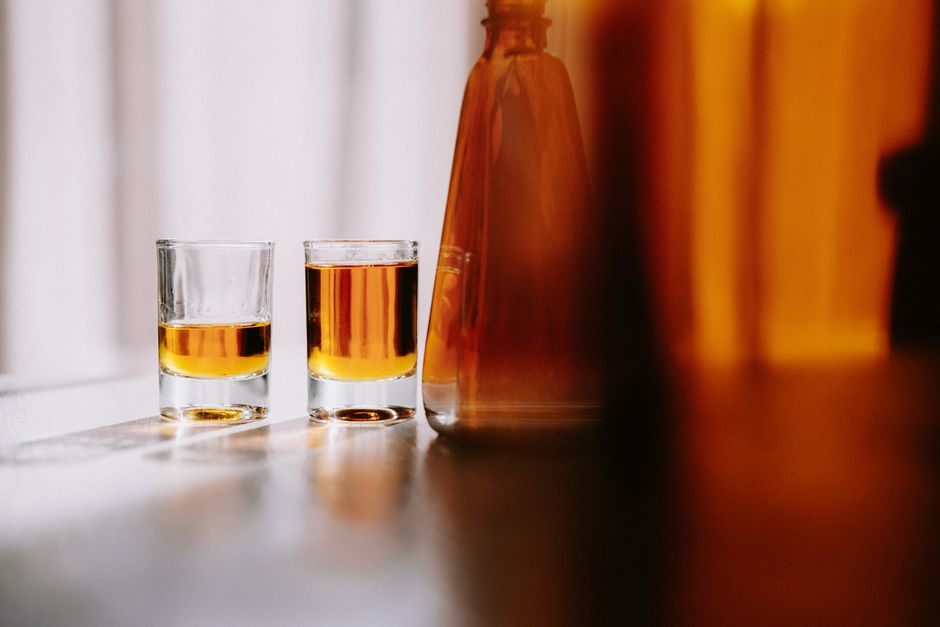
Flavor Profile Mapping: The Whiskey Matrix
One of Whisky Advocate’s most helpful approaches is breaking down whiskey characteristics into approachable flavor profiles. This goes beyond technical terms into sensory language that helps you https://smoothdecorator.com/what-should-i-write-down-in-bourbon-tasting-notes/ find your sweet spot.
Common Flavor Profiles
Flavor Category Typical Descriptors Examples of Whiskeys Sweet Honey, caramel, vanilla, toffee Bourbon, especially with high corn content Spicy Black pepper, cinnamon, clove, ginger Rye whiskey, some Scotch whiskies with peat influence Fruity Apple, cherry, dried fruit, citrus zest Irish whiskies, certain Speyside Scotches Oaky Toasted oak, cedar, leather, smoke Barrel-aged bourbons, many Scotch whiskies Dessert-like Chocolate, coffee, dark fruit, custard Sherry cask-finished whiskiesThis mapping allows you to hone in on what excites your palate. For example, if you love a honeyed warmth but shy away from peppery spice, hunting for bourbons with higher corn mash bills and mellow proof might be your jam.
Why Flavor Profiles Matter More Than Age Statements
Whisky Advocate frequently debunks the myth that “older is always better.” Instead, they urge drinkers to focus on flavor intensity and harmony. Some younger whiskies can pack a punch of fruitiness and spice, while some older expressions lean heavily into woody bitterness. Your preference should always guide your choice, not just a number on the bottle.
Proof and Perceived Heat vs Intensity
Proof is a curious beast in the whiskey world. Many newcomers equate higher proof with “better” or “stronger,” but Whisky Advocate pushes for a more nuanced approach.
- Proof as a 'volume knob': Think of the alcohol proof as the volume knob on your whiskey experience. Higher proof can mean more intensity but also more heat on the palate. Managing heat with water: Adding a drop or two of water can dial down the heat while unlocking more aroma and flavor complexity. This technique is a favorite among many whiskey lovers, including myself. Heat vs intensity: Not all high-proof whiskies taste hotter; some are balanced and smooth even at 120+ proof. Conversely, a lower proof whiskey can feel sharp or thin depending on the mash bill and aging.
For example, a 100-proof rye might offer intense spicy notes with a brisk finish, while an 80-proof wheated bourbon could feel smooth but less assertive. Your tolerance and taste preference dictate what proof range fits you best.
Mash Bill Impact: The Secret Behind the Character
The grain bill—called the mash bill—is a fundamental factor shaping the whiskey’s soul. Whisky Advocate points to three primary mash bill styles:
Corn-Forward Mash Bills: Typically 70% or more corn, these create a sweeter profile with vanilla, caramel, and toffee notes. Most bourbons fall into this category. Rye Mash Bills: Featuring a large rye percentage, these whiskies tend to be spicier, with pepper, clove, and citrus zest flavors. Rye whiskies or rye-forward bourbons fit here. Wheat Mash Bills: Wheat adds softness and creaminess, dialing down the spice and creating a mellow, often dessert-like whiskey experience. Mash Bill Component Flavor Impact Whiskey Type Examples Corn (high %) Sweet, vanilla, caramel, soft mouthfeel Bourbon (e.g., Maker's Mark, Buffalo Trace) Rye (high %) Spicy, peppery, citrus, drying finish Rye whiskey (e.g., Rittenhouse Rye, WhistlePig) Wheat (replacement for rye) Soft, creamy, lightly sweet, less spicy Wheated bourbon (e.g., Pappy Van Winkle, Larceny)Understanding mash bill helps you predict what flavor family a whiskey belongs to before even opening the bottle. For instance, if you’re avoiding spicy heat, a wheated bourbon might be a smoother choice. Similarly, for cocktail crafting, a rye’s bright spice can add welcome complexity.
Final Thoughts: How to Use Whisky Advocate’s Wisdom in Your Own Whiskey Journey
Whisky Advocate’s guidance is invaluable, but remember—it’s just one tool in your whiskey toolkit. Here’s a quick checklist to help you apply what we’ve discussed to pick a whiskey that truly suits your style:

Next time you’re sharing a bottle or picking a first bourbon that doesn’t taste like campfire or a sugar bomb, remember these insights. And if you find this guide useful, feel free to hit that share button—whether you use Facebook or X (formerly Twitter)—let’s spread the good word of thoughtful sipping.
Want to know something interesting? cheers to finding your perfect dram!
```