So you’ve got a couple of bottles of bourbon and you're curious how they differ — or maybe you just want to have a fun, low-key tasting with friends that isn’t intimidating or full of jargon. Running a side-by-side bourbon tasting at home can be an approachable and enjoyable way to explore different flavor profiles while embracing the fact that taste is subjective and personal. In this post, I’m going to guide you through setting up a simple bourbon tasting with just two glasses per person, easy note taking, and enough context to let each dram shine on its own terms.
The Basics of a Bourbon Tasting Setup
Before diving into all the flavors and proof talk, ask yourself this foundational question: How do you like your bourbon served? Neat, on the rocks, or as a cocktail?
For a straightforward tasting, I recommend neat so you get the purest sense of each bourbon’s character. Water can be added later to “turn down the volume” on the proof, but start neat.
Your Two-Glass Comparison Setup
Keep it simple! Here’s what you need for each taster:
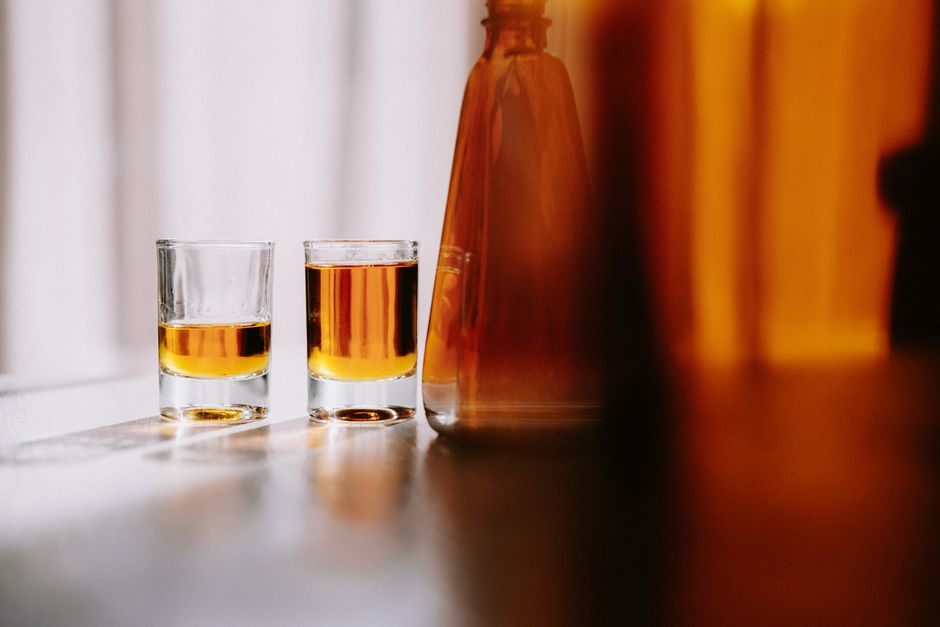
- Two clean, clear glasses (Glencairn glasses are ideal, but any small tumbler works) Small tasting notebook or printout for notes Water and water-dropper (optional, for adjusting proof perception) Optional: Pencil or pen with a comfortable grip
How to Pour
Pour roughly 1 to 1.5 ounces of each bourbon into separate glasses. Don’t overwhelm your senses with too much liquid—it's about quality over quantity. Pour all your tasters’ bourbons before calling the tasting to order, so no one’s rushing.
Why Side-By-Side Comparison Works
Placing two bourbons right next to each other, either from the same distillery with different mash bills or totally different brands, will highlight distinctions you might miss sipping one at a time. This method helps cultivate your palate and personal preference without the pressure of “scoring” or jargon overload.
Remember: Taste is completely subjective. What might taste “spicy and sharp” to one person could seem “bright and lively” to another. No scores or rankings here—just your honest impressions.
Understanding Key Flavor Profiles
Bourbon’s complex flavors tend to fall somewhere on a spectrum of these common flavor profiles. Mapping where your bourbons fall makes comparing much easier and more fun.
Flavor Profile Description Common Tasting Notes Sweet Often from corn and barrel char, mellow and sugary Vanilla, caramel, honey, butterscotch Spicy Heat from rye or proof, sometimes peppery or warm bite Cinnamon, black pepper, clove, chili heat Fruity Bright, fresh notes adding complexity Apple, cherry, citrus, dried fruit Oaky Wood-driven flavors from aging in charred barrels Toasted oak, leather, tobacco, smoky Dessert-like Rich, indulgent notes reminiscent of sweets Chocolate, molasses, brown sugar, pie crustMy Tiny Notebook Tip
I've seen this play out countless times: was shocked by the final bill.. I keep a little notebook tucked in my bar bag. When tasting, jot down quick words like “vanilla, toasted oak, dark fruit,” so you don’t forget your first impression. For a simple home tasting, just a couple of words per bourbon is fine.
Proof and Perceived Heat vs Intensity
Proof is often misunderstood in bourbon tasting. Higher proof usually means higher alcohol, which can deliver stronger perceived heat (“burn”) on the tongue and throat. However, “heat” is not always intensity of flavor—sometimes a lower proof bourbon can pack a richer bouquet while feeling smoother.
Ask yourself this: water is your friend here. If a bourbon’s burn feels too loud, add a drop or two of still (non-carbonated) water and swirl gently. This acts like turning down the volume while revealing hidden flavors. It’s a neat trick for side-by-side tastings to compare how different bourbons respond to dilution.
Mash Bill Impact — What You’re Actually Tasting
Behind every bottle is a mash bill—the recipe of grains used to produce the bourbon. The primary players are:
- Corn: Must make up at least 51% of the mash bill to legally call it bourbon; gives sweetness and creaminess Rye: Adds spice, pepper, and sometimes floral notes Wheat: Provides softness, smoothness, and a gentle flavor
Knowing what’s in the mash bill helps explain the flavor profile. For example, a high-rye bourbon often shows noticeable spicy and peppery notes, while a wheated bourbon might be silky and creamy.
How to Take Notes
Keep note-taking casual and descriptive rather than technical. Here's a simple format to follow for each bourbon:
Appearance: Color, clarity, rim tint Nose: First aromas—sweet, fruity, spicy, oaky? Palate: Initial taste and mid-palate flavors Finish: Length and lingering flavors Overall Impression: Your subjective take—smooth, bold, balanced, etc.Example note: “Rich amber; maple syrup and vanilla on nose; spicy rye and cinnamon on palate; warm butterscotch finish; smooth and balanced.”
Social Sharing: Facebook and X (Twitter)
After your tasting wraps up, why not share your experience on social media? Posting a little snapshot of your two-glass comparison and notes can spark conversations.
- Facebook Share: Upload photos of your setup or bottles with a few tasting tidbits. Ask your friends what side-by-side combos they recommend next. X Share (formerly Twitter): Tweet your flavor notes using hashtags like #BourbonTasting or #WhiskeyNotes — maybe even start a thread comparing mash bills or proof effects!
Remember, avoid jargon overload on social media—keep it fun and relatable for all your followers.
Sample Two-Glass Bourbon Tasting Plan
Here’s a simple at-home tasting outline for your first side-by-side experience:
Choose Two Bourbons: Maybe one high-rye and one wheated, or a classic bourbon vs a small batch Set Up Glasses: Pour about 1 oz neat in each glass Note Appearance in your tasting journal Nose Both separately, jot down initial impressions Sip Bourbon #1, note flavors and finish Sip Bourbon #2, compare and contrast Add a Drop of Water to each and repeat tasting to notice changes Discuss & Share your findings in person or via social mediaFinal Tips From a Beverage Writer & Bar Regular
- Don’t get hung up on age statements or scores—older isn't always better. Own your preferences; “I like what I like” is a perfectly fine tasting note. Use water drops to adjust proof perception but don’t water down too much. Keep your notes short and evocative rather than technical jargon. Enjoy the social and sensory experience—bourbon tasting is about discovery and pleasure.
Running a simple two-glass side-by-side bourbon tasting at home is easy, fun, and educational. With just a little setup and a willingness to explore your own palate, you can deepen your appreciation for bourbon’s diverse flavors and share the experience with friends—maybe even start a tasting tradition that low rye bourbon taste grows over time.
Ready to give it a try? Grab two bottles, line up your glasses, and start scribbling those flavor notes. Cheers!